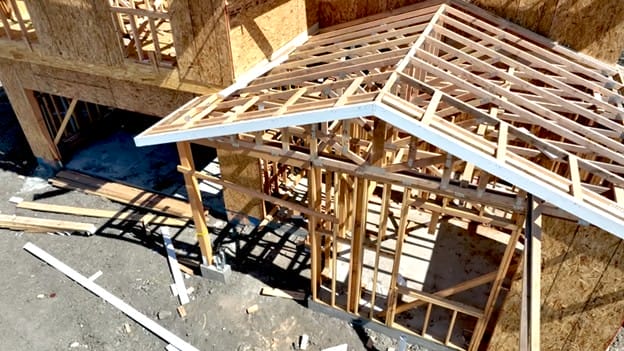
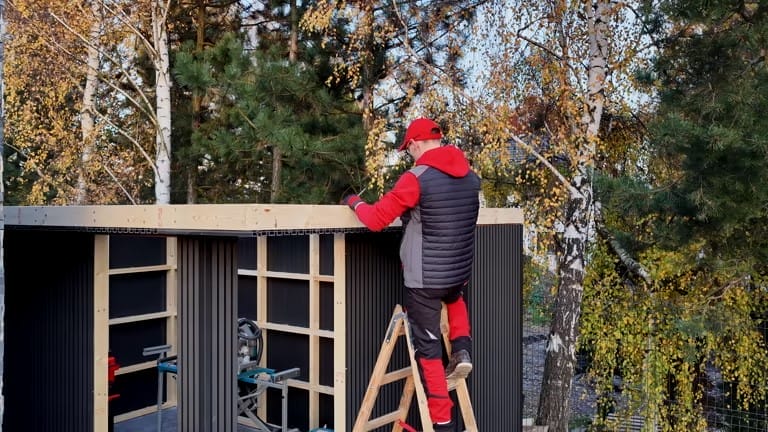
Quick answer: An experienced ADU builder in Los Angeles handles the design, permits, and construction needed to turn unused space into a legal, rental-ready living unit. Whether you choose a detached ADU or a garage conversion, the right team manages zoning requirements, utility connections, and the full permit process, so your finished unit is ready to generate rental income or house family without unexpected delays.
More Los Angeles homeowners are looking at accessory dwelling units as one of the most practical ways to add living space and long-term value to their property. An ADU can house aging parents, give adult children a private space, or generate rental income, all without the cost or footprint of a full second home. The challenge is that an ADU is not just a construction project. It is also a permitting and zoning process, which is why choosing the right ADU builder in Los Angeles matters as much as the finishes you choose.
Working with a team that understands both the construction and the paperwork side of the process, like the ADU and garage conversion services offered by our team, helps you avoid the delays that come from missed permits or non-compliant plans. This guide walks through what an ADU actually involves, from permits to rental income potential, so you can plan with confidence.
Key takeaways
- An ADU can be built as a detached unit, an attached conversion, or a garage conversion, each with different costs and timelines.
- ADU permits and zoning requirements are a core part of the process, not an afterthought.
- A legal, permitted ADU is what allows the unit to generate rental income or add resale value.
- Utility connections, whether shared or separate, affect both the design and the budget of the project.
- Working with an experienced ADU builder in Los Angeles keeps the permit process, construction, and final inspection on track.
What Is an ADU, and Why Los Angeles Homeowners Are Building Them
An accessory dwelling unit, or ADU, is a self-contained living space added to an existing single-family property. Also known as a granny flat, in-law suite, or backyard bungalow, an ADU includes its own living area, kitchen or kitchenette, bedroom, and bathroom, separate from the main house.
Homeowners build ADUs for a range of reasons: housing a caregiver or aging parent, creating space for adult children, adding a home office or studio, or generating rental income from a self-contained unit. An ADU also adds livable square footage on a smaller footprint than a full addition, which makes it a practical option on lots where expanding the main house is not realistic.
Detached ADU vs. Attached Garage Conversion
One of the first decisions in working with an ADU builder in Los Angeles is choosing between a detached ADU and an attached conversion, since each comes with different trade-offs.
| ADU Type | What It Involves | Best For |
|---|---|---|
| Detached ADU | A fully separate, standalone structure built apart from the main home | Maximum privacy, independent rental units, multi-generational living |
| Attached garage conversion | Converts existing garage space into a connected or semi-connected living unit | Lower cost, faster build using an existing footprint |
| Second-floor ADU conversion | Converts upper-level space, such as an attic, into a living unit | Properties without room to expand horizontally |
A detached ADU creates a completely separate, private living space apart from the main home. This option offers the most privacy and works well when the goal is a fully independent rental unit. It also involves more site work, since it is new construction on a previously unused part of the lot.
An attached garage conversion, by contrast, takes advantage of a footprint that already exists as part of your home. This generally makes it a more cost-effective way to add livable square footage, since much of the structure is already in place before construction begins.
The ADU Permit Process in Los Angeles
ADU permits are one of the most important parts of the entire project, and they are also where many homeowners run into delays if they do not work with an experienced team. A legal ADU, one that will actually hold up for renters, resale, or long-term family use, has to move through the same zoning and building code review as any other residential construction.
A typical ADU permit process includes:
- Zoning review to confirm the type and size of ADU allowed on your property.
- Architectural plans that meet local building codes and setback requirements.
- Permit submission covering structural, electrical, and plumbing work.
- Inspections at key stages of construction to confirm the work meets code.
- Final approval, which is what makes the unit legal to occupy or rent.
An experienced ADU builder in Los Angeles manages this entire process on your behalf, from the initial zoning check through final sign-off, which removes a major source of stress and delay for homeowners taking on their first ADU project.
Utility Connections: A Key Part of ADU Planning
Utility connections are one of the details that can significantly affect both the design and the cost of an ADU. A detached ADU typically needs its own connections for water, sewer, and electrical service, or a properly permitted shared connection to the main house. An attached garage conversion may be able to tie into existing lines more easily, depending on the layout and the scope of plumbing or electrical work involved.
Planning utility connections early, before finishes and layout are finalized, helps avoid costly changes mid-construction. It is also a detail your ADU builder in Los Angeles should walk through with you during the initial design phase, not after construction has already started.
ROI and Rental Income: What an ADU Can Do for Your Property
An ADU adds value to a property in two ways: it increases usable living space, and, when designed as a rental-ready unit, it can generate ongoing rental income. A self-contained ADU with its own kitchen, bathroom, and private entrance is what makes a unit attractive to renters or useful for multi-generational living, compared to a converted space that still shares access with the main home.
For homeowners weighing the investment, the return comes from two directions: the added living space itself supports a higher property value, and a legally permitted rental unit creates income potential that a simple room addition cannot offer. This is one of the reasons ADUs and garage conversions have become a popular option among Los Angeles homeowners looking to make the most of their existing property.
Garage conversion costs in Los Angeles typically range from $25,000 to $200,000, depending on the layout changes, plumbing, HVAC, and finishing touches involved. A detached ADU generally represents a larger investment, since it involves new construction rather than converting an existing structure, though it also offers the most flexibility in size and design.
If your property is located in Monterey Park or a nearby community, our ADU and remodeling services in Monterey Park follow the same design-build process, helping you move from initial consultation to a finished, permitted ADU with a clear plan at every stage.
Construction Timeline: What to Expect
ADU construction timelines vary depending on the type of project. A garage conversion can often be completed in a matter of weeks once permits are approved, since it works within an existing structure. A detached ADU, being new construction from the ground up, generally takes longer, since it involves site work, foundation, framing, and full utility installation before finishes even begin.
Your ADU builder in Los Angeles should walk you through a realistic timeline during the initial consultation, based on your specific property, the type of ADU you are building, and the current permit review process in your area.
Choosing the Right ADU Builder in Los Angeles
Not every general contractor has deep experience with ADU-specific zoning requirements, permit coordination, and the unique construction challenges of building on an existing residential lot. When evaluating an ADU builder in Los Angeles, look for a team that manages the entire process under one roof, from the initial site evaluation and custom design, through permits and construction, to a final inspection and walkthrough.
A design-build approach, where the same team handles design, permitting, and construction, keeps communication clear and reduces the risk of costly gaps between what was designed and what gets built.
Final Thoughts on Building an ADU in Los Angeles
An ADU is one of the more practical ways to add living space, support your family, and create rental income potential on a property you already own. The details that matter most, ADU permits, the choice between a detached ADU and a garage conversion, utility connections, and a realistic construction timeline, are exactly where an experienced ADU builder in Los Angeles adds the most value.
Contact My Home Builders, Inc. today to schedule a consultation and start planning an ADU built to meet your goals, your budget, and your property’s zoning requirements from day one.
Frequently Asked Questions
1. What does an ADU builder in Los Angeles actually manage?
A full-service ADU builder in Los Angeles handles site evaluation, custom design, the ADU permit process, construction, and final inspection, managing zoning compliance and utility connections along the way.
2. Is a detached ADU or a garage conversion the better option?
It depends on your goals. A detached ADU offers the most privacy and independence, while a garage conversion is often a faster, more cost-effective way to add living space using an existing structure.
3. Do I need permits to build an ADU in Los Angeles?
Yes. ADU permits cover zoning approval, structural plans, and electrical and plumbing work. A legally permitted ADU is also what allows the unit to be rented or counted toward your property’s value.
4. Can an ADU really generate rental income?
A self-contained ADU with its own entrance, kitchen, and bathroom can be rented out once permitted, giving homeowners an ongoing income stream from space that would otherwise go unused.
5. How long does it take to build an ADU?
Timelines vary by project type. Garage conversions tend to move faster since they use an existing structure, while detached ADUs, being new construction, generally take longer from permits through completion.